Custom Packaging & Print Solutions
Custom Packaging & Print Solutions
Starting from Please note: The prices displayed are generic estimates. Final pricing may vary depending on the size, quantity, material, and finishing of your custom order.$0.5*
Submit the form below to get an instant quote for your custom box!

Secure Payment
100% secure checkout

Custom Sizes
Any size, any shape

Customer Service
Here when you need

Design Support
Free design assistance

Free Delivery
Fast, free shipping

Quality Printing
Vivid, lasting results
Pages are curling at the corners. Covers are creasing in transit. Saddle-stitched spines are splitting before your booklets even reach the sales floor. These are not random accidents. They are the direct result of wrong substrate selection — thin, uncoated stock that was never engineered to handle folding, binding stress, or the humidity swings that hit shipments crossing the USA from coast to coast.
Most printers default to whatever coated offset sheet is cheapest. Your buyers notice the difference immediately — a cover that dents when held, text pages that bleed through under pressure, and a spine that refuses to lie flat. For product catalogs, training manuals, and branded lookbooks, these failures are not cosmetic. They signal a supply chain that does not care about quality control. Across the USA, wholesale buyers and retail buyers alike are pulling orders from vendors whose booklets do not hold their shape. If your booklet printing is arriving damaged or visually inconsistent, the problem started at spec, not at the dock.
Cover stock needs to be SBS board — solid bleached sulfate — with enough caliper to resist curl and enough surface smoothness to hold CMYK ink faithfully. Interior text pages need an appropriate coated offset weight that prevents ink strike-through. Getting that combination wrong costs you in ways most brands do not track until accounts start asking questions. If your packaging strategy is equally important, see how rigid box construction handles similar structural demands for your product range.

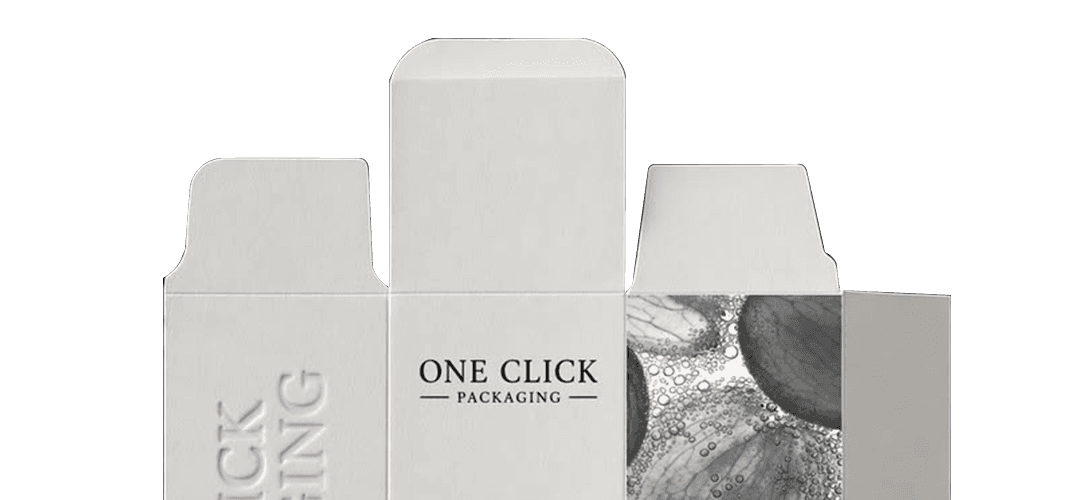
Custom Boxes give your brand a fully tailored packaging structure engineered to your product's exact dimensions and display requirements. Built for wholesale programs across the USA, these boxes can be specified in corrugated or SBS board to match the structural demands of your distribution chain — keeping products protected and brand presentation consistent from the warehouse to the retail floor.

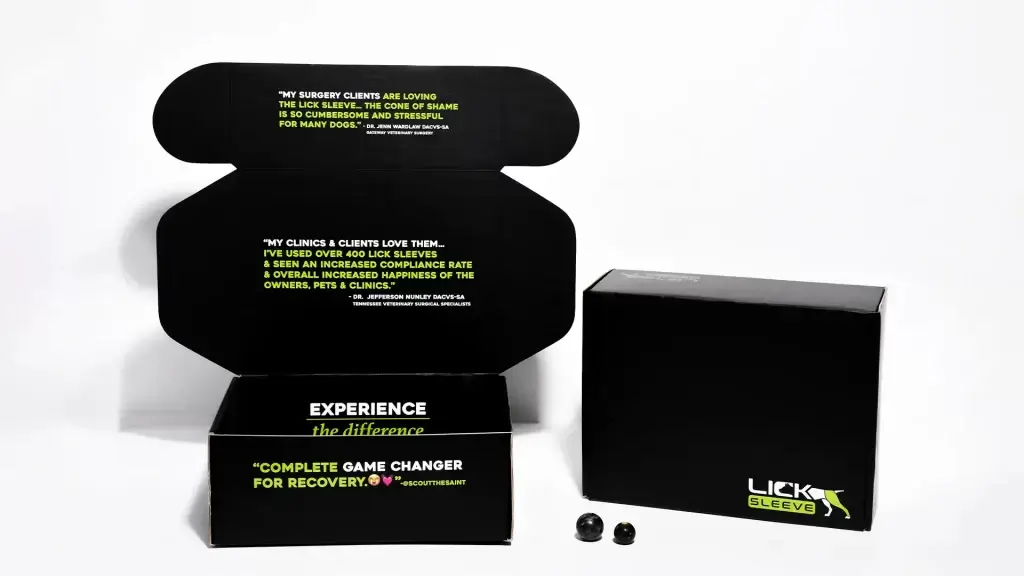
Custom Cardboard Boxes deliver the strength and affordability that retail businesses across the USA need for safe, repeatable product delivery. Constructed from robust cardboard stock, these wholesale boxes are built to handle the physical demands of shipping and stacking without compromising structural integrity — making them a dependable choice for brands that need reliable protection at competitive wholesale pricing.
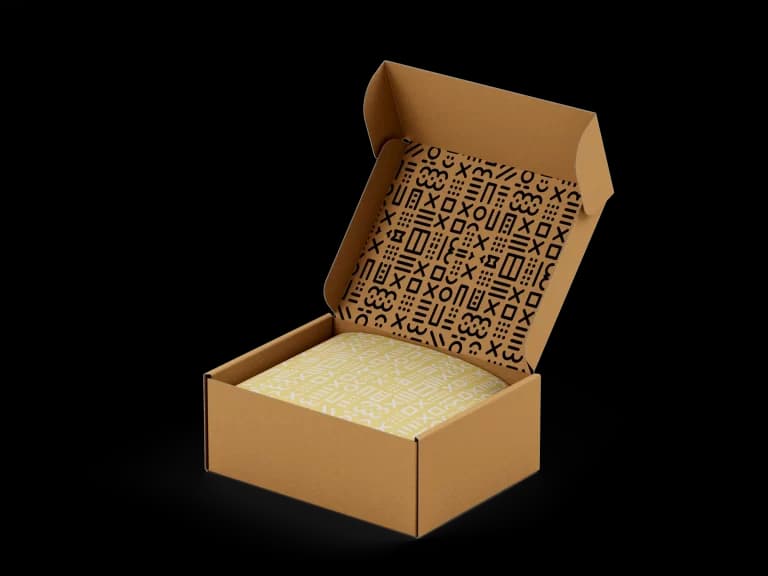
Custom Mailer Boxes combine structural durability with branded presentation, ensuring your products survive transit and arrive with your identity intact. Designed for e-commerce and wholesale fulfillment across the USA, these mailer boxes hold their shape under shipping pressure, protect contents from impact, and deliver a consistent branded experience to every recipient — whether you are shipping one pallet or one hundred.
Run the numbers. A damaged booklet run means reprinting at full cost, reshipping across the USA, and absorbing the delay that pushed your buyer's launch window. That is three separate losses on one job. But the financial damage rarely stops at the reprint invoice. Buyers who receive off-spec materials quietly move their next purchase order to a competitor. They do not call to explain why. You discover it when a repeat order never comes.
Multi-location USA brands face a second layer of risk: color drift. If your booklet printing vendor is pulling from different paper lots or running inconsistent press profiles between jobs, your brand colors shift. Your marketing team spec'd Pantone 485 red. What arrived in Denver looks orange. What arrived in Miami looks burgundy. That inconsistency signals a wholesale printing operation that lacks process controls — and retail buyers and franchise partners notice it immediately. One inconsistent run can trigger a quality review that freezes your entire program.
Beyond color, binding failure carries its own cost. A saddle-stitched booklet whose staples pull through the spine falls apart in the customer's hands. A perfect-bound booklet glued with the wrong adhesive for ambient temperature conditions will delaminate in a warehouse. These are not edge cases — they are predictable outcomes of ignoring material and process specs. If your printed collateral needs to hold up as well as your secondary packaging, the same discipline that governs kraft board construction applies to every substrate decision you make on a booklet job.
Design your perfect packaging with our wide range of options:

Customize dimensions to fit your product perfectly.

Choose from standard shapes or create a unique design.

Select from eco-friendly, sturdy materials for durability.

Personalize with vibrant colors and detailed graphics.
The fix starts with substrate precision. Custom booklet printing USA done right means specifying SBS cover stock for any booklet requiring a rigid, color-accurate cover — typically 12pt to 16pt depending on page count and binding method. Interior pages run on coated or uncoated offset at the right weight for your fold count. Every variable — caliper, coating, binding method, ink density — is locked before press approval, not adjusted mid-run when problems appear.
Your booklets are built around a defined press profile so color stays consistent whether your order ships to New York, Chicago, or Los Angeles. Saddle-stitch, perfect bind, or spiral — each binding method is matched to the page count and the substrate weight so the finished booklet lies flat, opens cleanly, and survives the logistics chain intact. Booklet printing wholesale USA at this level is not just about volume pricing. It is about running the same verified spec on every job so your brand does not vary by shipment destination.
You get a dedicated quoting process, material spec review, and press-ready file checks before anything goes to print. No surprises on delivery. If you supply branded packaging alongside your booklets, explore how custom gift box structures or branded gable box formats can complete a cohesive wholesale package that holds up across every USA shipping lane. Request your quote today and get a spec sheet built around your exact page count, substrate needs, and distribution requirements — no guesswork, no generic templates.
Quality doesn't stop at the box. Here are the finishing touches we offer to make your packaging stand out.

Screen Printing

Metalized Printing

Matte or Gloss

Velvet Touch Finish

Foiling

Embossing Debossing
We believe that you should never have to worry about the process of ordering custom packaging. To ensure your order is processed quickly without compromising quality, we provide free samples, 24/5 sales support, and business-friendly turnaround times.
Let us know if Stampa Prints can help you with your custom printing and packaging needs by calling 1 (717) 781-2679 today! Our team will be happy to answer any questions or concerns you may have in person. If not? Don't worry – fill out our contact form or chat with us for answers right away.
You'll get an immediate response from one of our experts who is eager to take care of all your packaging needs, big or small!
We've got the answers.
SBS (solid bleached sulfate) board is the correct choice for most booklet covers. It offers a smooth printing surface for accurate CMYK reproduction, sufficient caliper to resist curl, and consistent behavior across folding and binding. The right caliper — typically 12pt to 16pt — depends on your page count and binding method. Your spec sheet should confirm this before press approval.
Color drift between runs is almost always caused by inconsistent press profiles or mismatched paper lots. When a printer pulls from different stock batches or skips press calibration between jobs, your Pantone-matched colors shift. Locking a verified ICC profile and specifying the same coated stock on every order is the only reliable way to hold color consistency across multiple USA shipments.
Saddle-stitch is reliable for booklets up to roughly 64 pages — beyond that, the spine pressure causes pull-through. Perfect binding handles higher page counts but requires the correct hot-melt adhesive matched to ambient storage temperature. Choosing the wrong method for your page count or distribution environment is a primary cause of binding failure in wholesale runs shipped across the USA.
Yes — provided every size variant runs on the same substrate spec and press profile. If your 5.5×8.5 version and your 8.5×11 version use different paper stocks, color will drift between them. Specifying one coated stock, one cover weight, and one calibrated press profile across all sizes is the only way to keep brand color consistent when distributing to multiple USA locations.
Supply print-ready PDF/X-1a or PDF/X-4 files at 300 DPI minimum, with 0.125-inch bleed on all sides and all fonts embedded. RGB images must be converted to CMYK before submission. Supplying files outside these specs is the single most common reason for color inaccuracy and press delays on wholesale booklet orders shipped throughout the USA.